Guide To Meeting Property
Compliance Requirements
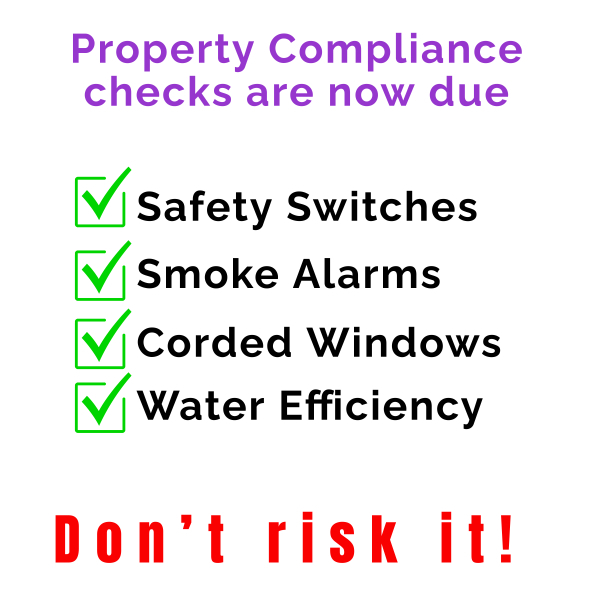
Fines up to $15,000
Non-compliant landlords can face severe financial and legal penalties. Stay informed and stay protected.
Why is home rental compliance important for landlords?
While it might seem like a hassle, this Guide To Meeting Property Compliance Requirements isn't something you want to skimp on as an investor.
The truth is that not meeting your compliance requirements can cost you thousands of dollars in legal costs as well as cause a stack of unwanted legal consequences.
Let's put this into perspective: landlords can be charged up to $15,000 if they're found to have a non-compliance property. Plus, your tenants may choose to make compensation claims if they suffered any damage, harm or injury as a result of your non-compliant property.
By taking your compliance obligations seriously and getting them sorted proactively, you can:
- Limit your exposure to risk and potential litigation: the safer your property is, the less likely you are to encounter the legal headaches of a non-compliant rental property.
- Avoid unwanted costs: hiring a lawyer can cost you anywhere from $200 to $600 per hour if you are found to have a non-compliant property, which can easily add up to thousands of dollars.
- Keep your rental property in good condition: by meeting your compliance requirements, you're also practising proactive maintenance and repairs.
Ultimately, being on the front foot with compliance is your ticket to a low-risk, stress-free and profitable investment property.
Window Safety
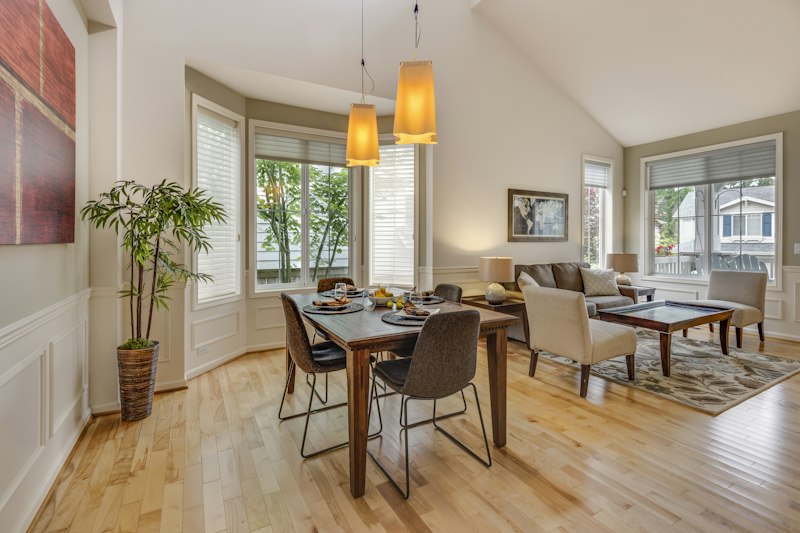
Unsafe windows can be a major hazard to your tenants, especially if they have young children. Unfortunately, around 50 children fall from windows or balconies every year in Australia, with many suffering injuries or even death as a result.
That's why a key compliance obligation for landlords is to make sure window safety devices are installed to prevent the risk of falling (especially from a height).
- Don't rely only on fly screens as these are only designed to keep out insects, not hold the weight of a falling child.
- Install window safety devices on all above-ground windows which will stop the window opening more than 12.5 cm.
- Move furniture away from windows and the edge of balconies and keep light furniture out of reach of young children.
Blind Cord Safety
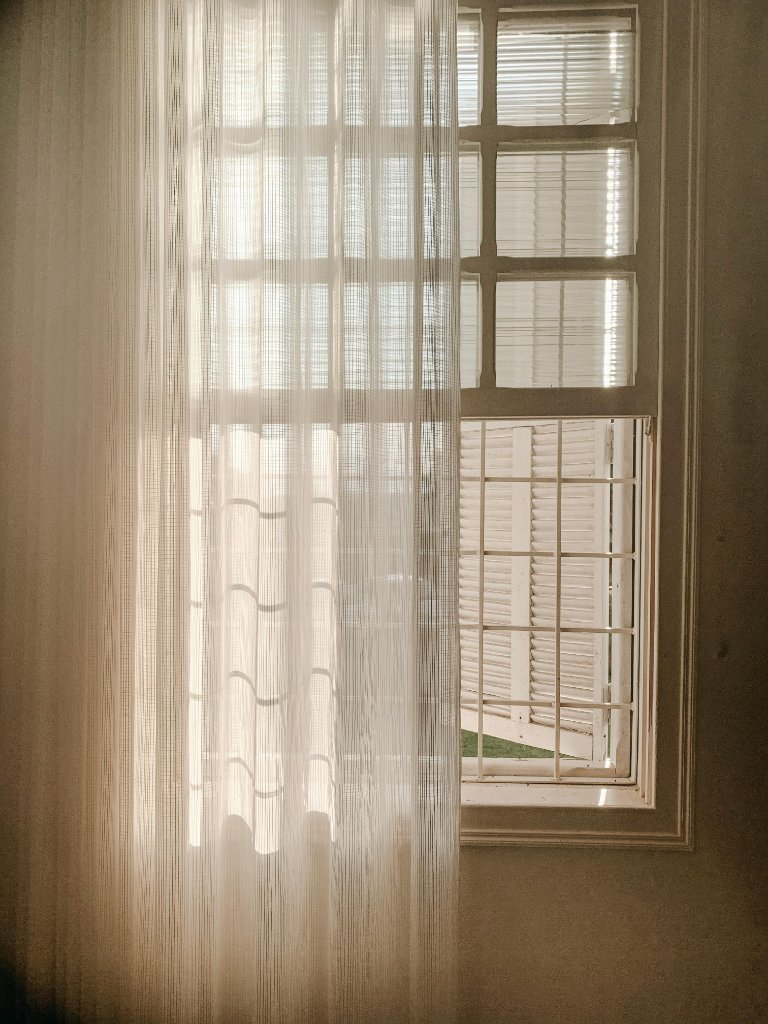
Curtains, shades and blinds with cords and chains can cause injury and death to young children due to strangulation. There are two important blind cord safety requirements that apply to rental property across Australia:
- Installation: corded blinds must be installed in a way that prevents a loop from forming near the floor level.
- Labelling: warning labels or swing tags supplied with blinds must not be removed.
The mandatory requirements can be found on the N.S.W Fair Trading website.
Water Efficiency Standards
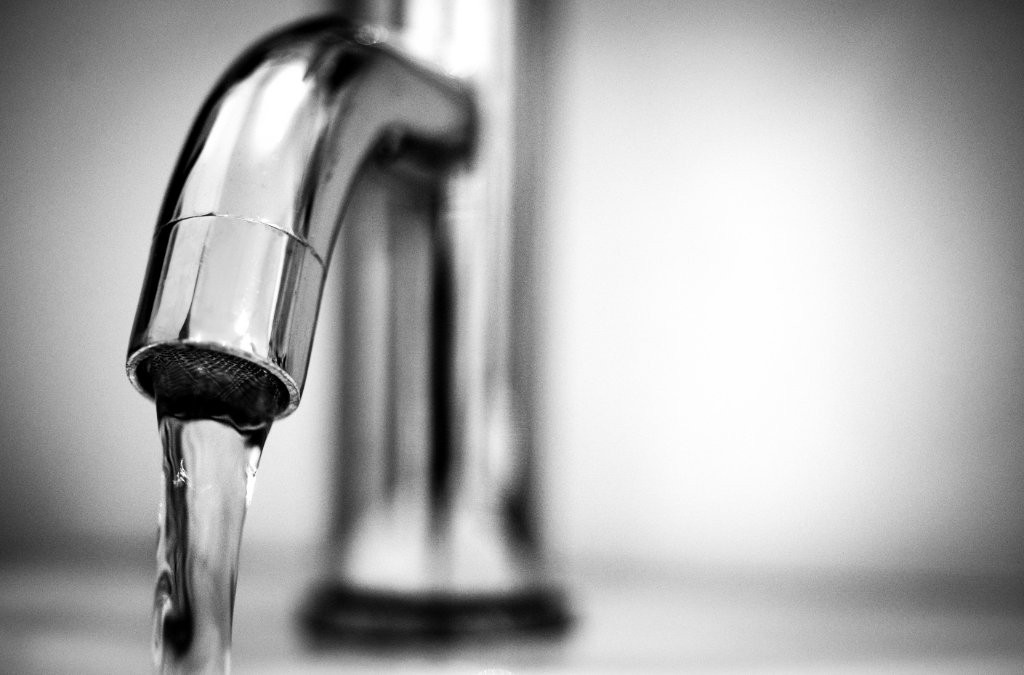
Leaky taps, dripping shower heads, and poorly maintained toilets all need to be repaired and upgraded prior to tenants moving in (or fixed promptly if they crop up during a tenancy).
For a landlord to be able to pass on water usage charges to the tenant, the residential property must be separately metered and meet the water efficiency measures.
From 23 March 2025, all toilets in rented properties must be dual flush with a minimum three-star rating in accordance with the Commonwealth Water Efficiency Labelling and Standards (WELS) scheme.
Smoke Alarms
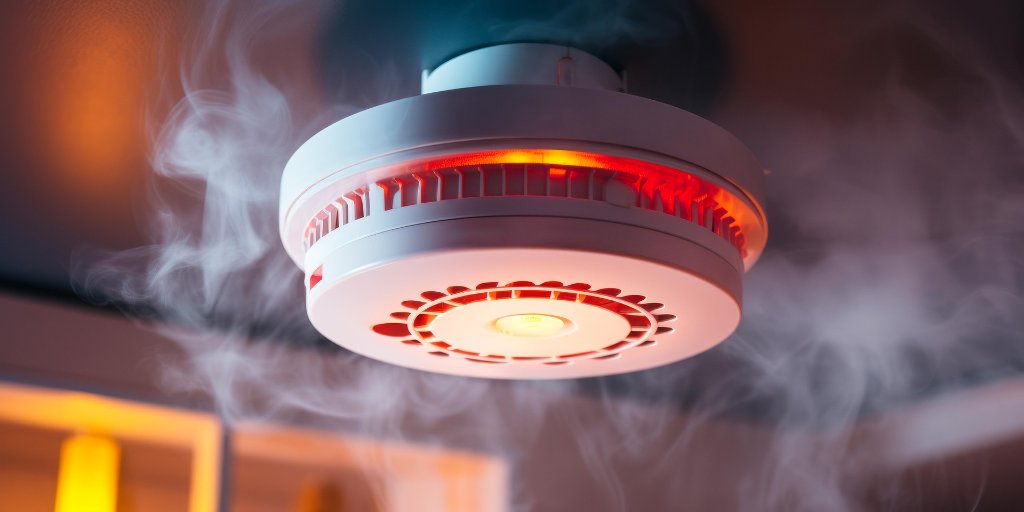
The stats show that smoke alarms in homes do save lives: the death rate is more than twice as high in properties that don't have working smoke alarms.
A key compliance obligation is to ensure your rental property is fitted with at least one working smoke alarm in a hallway outside a bedroom and on each story of the home. A practical way to meet this is to schedule an annual smoke alarm inspection.
Electrical and Gas Safety
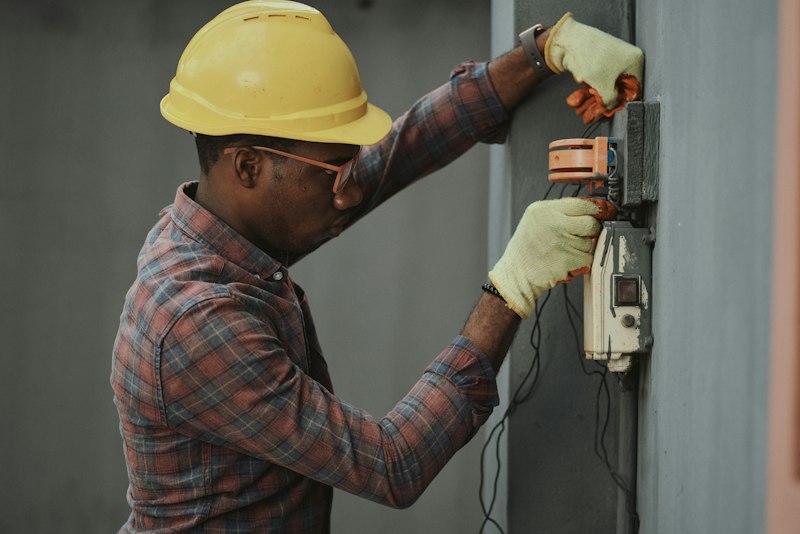
Roughly 40% of house fires in NSW alone each year are caused by electrical faults. It's your responsibility as a landlord to make sure no urgent electrical repairs are needed before leasing out your property.
Landlords must ensure that RCDs are installed in all required areas of the rental property, such as bathrooms, kitchens, outdoor areas, and circuits supplying socket outlets or portable equipment. If an RCD is found to be faulty or reaches the end of its lifespan (typically 10–20 years), landlords must promptly replace it.
It is recommended these switches are tested every 6 months.
RCD Testing and Maintenance
- Locate the test button on the RCD, which is usually clearly labelled.
- Press and hold the test button — this should cause the RCD to trip and cut off the power supply to the protected circuit.
- If the RCD does not trip, it may be faulty and in need of replacement.
- After testing, reset the RCD by pushing the reset button or lever.
Ceiling Insulation (Canberra)

Around half of the energy used in an average Canberra home is for heating and cooling. Up to 35 per cent of heat is lost through the ceiling over the colder months in an uninsulated Canberra house.
R5 is recommended for the ceiling and is the standard insulation level used in new builds. A minimum ceiling insulation standard was found to be the most effective way to increase the energy efficiency of rental properties in the ACT.
Properties Affected by Loose-Fill Asbestos
Most of the Canberra properties affected by loose fill asbestos insulation (also called Mr Fluffy) have progressed from removal to renewal. The Government's Register is available to check whether a property is affected by loose-fill asbestos. Affected properties are also required to prominently display an asbestos management plan visible during inspections.
Swimming Pools and Spas

If your rental property has a swimming pool, you'll need to make sure its fence is up to the requirements set out in the Swimming Pools Act 1992. Landlords will need to provide a copy of your pool's certificate of property compliance and prove that it's registered with your local authority.
Decks and Balcony Safety
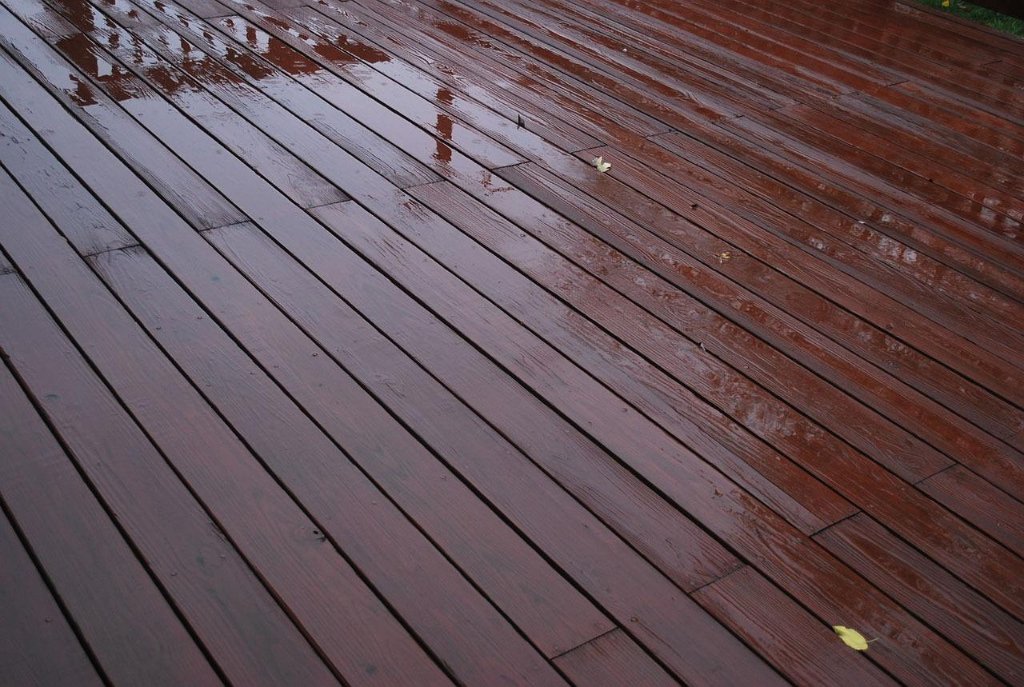
Non-compliant balconies and decks have led to a number of injuries and even deaths across Australia. Your rental property needs to meet the requirements of the Building Code of Australia and relevant Australian safety standards.
- Always get property planning and building approvals from your local council for any building renovations or additions.
- Only work with licensed tradespeople and always check they have the proper licenses for your state or territory.
- Book a professional to inspect your balconies and decks regularly to check for wear, tear, and serious deterioration.
Locks and Security Devices
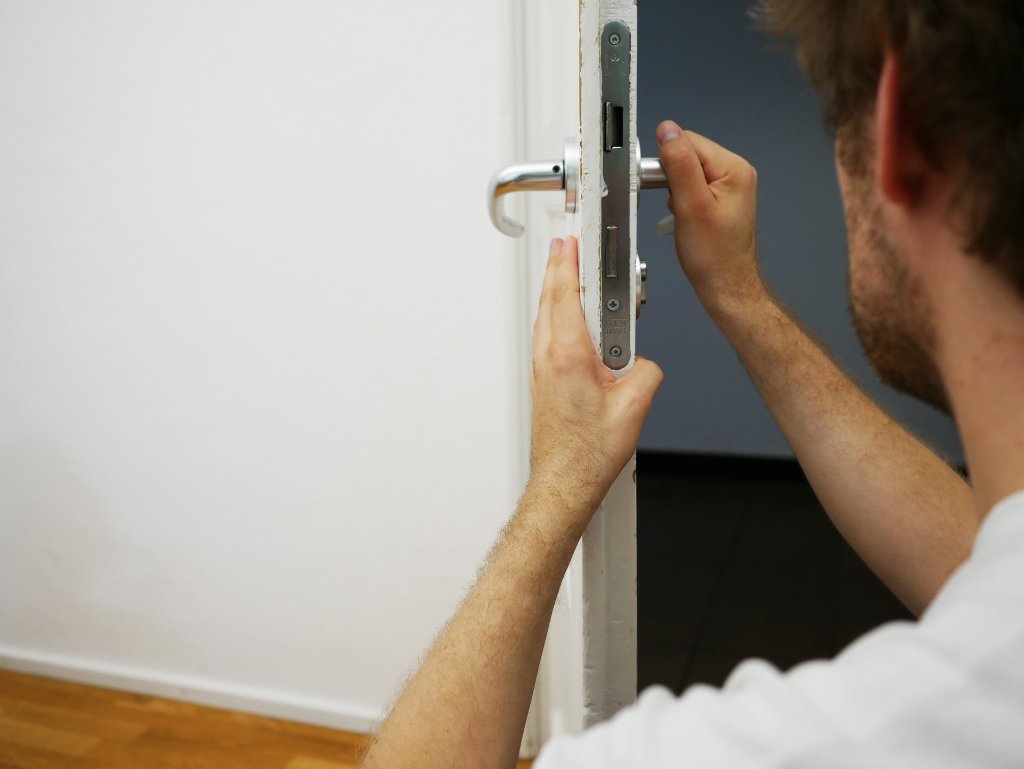
Well-maintained locks are a compliance obligation for landlords. You also need to be across the rules that apply in your local area around altering, removing or adding locks and security devices while your rental is tenanted.
Mould, Pests and Vermin Control
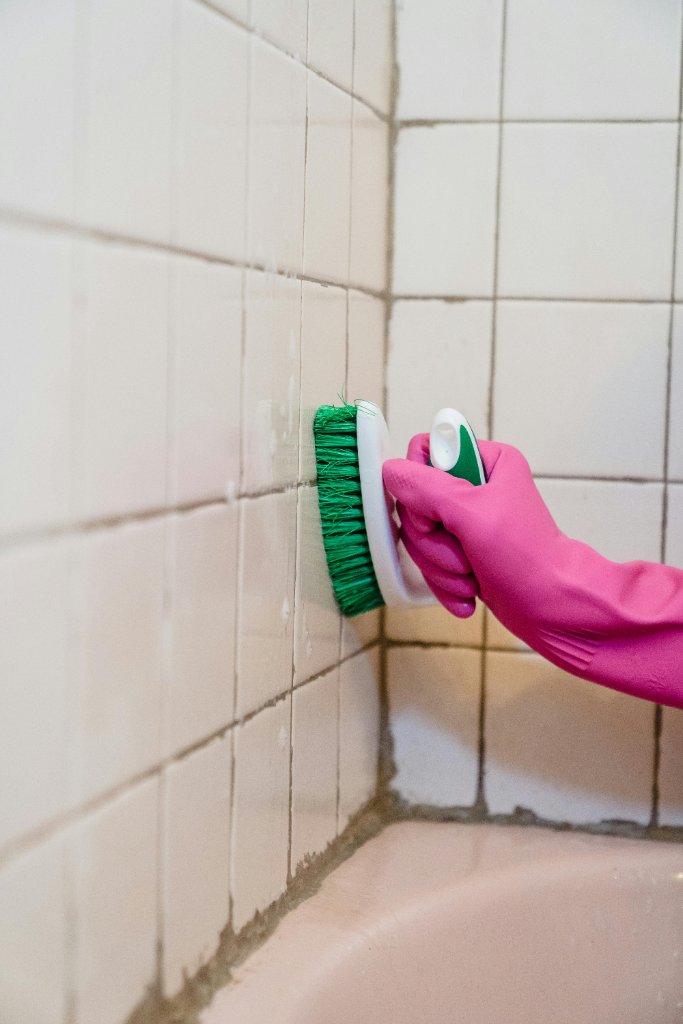
Landlords have an obligation to keep their property well-maintained and free from things like mould, pests and vermin. From repairing poor ventilation to booking annual pest inspections, these regular maintenance jobs need to be carried out. You also have an obligation to respond to any tenant requests to fix pest or mould problems promptly.
We hope you found this Guide To Meeting Property Compliance Requirements useful. If you have any questions, please don't hesitate to contact our team.